-
Enjoy the Bus + Boat cruise Combo
Pensioner Boat Ticket
SA Pensioner Ticket
FREE 360° Online Tour
Student: Bus and Burger
Discover Cape Town Pass (30 Days to visit)
Classic Hop On-Hop Off Ticket
Whale and Hermanus Tour
Bus & Burger
Bus & Lunch
Bus & Helicopter
SA Pensioner's Lunch Special
Student: Classic Hop On - Hop Off Ticket
Bus + Table Mountain ticket
Pensioners Bus & Burger
Cape Point & Penguin Explorer Tour
Premium Hop On-Hop Off Ticket
Deluxe Hop On-Hop Off Ticket
Sunset Bus
Paarl, Franschhoek, Stellenbosch Three Region Explorer Wine Tour
Franschhoek Wine Tram Explorer Tour
V&A Harbour & Seal Cruise
Canal Cruise
2 Cruise Combo
Bus + FREE entry to 3 Top Attractions
Bus + All 80 Top Attractions (1, 2, 3 or 5 days)
Mega Pass + 1 Premium experience (3 or 5 days)
20 min Atlantico Scenic Flight
Full Cape Peninsula by Helicopter
Hopper Scenic Flight
Castle of Good Hope
District Six Museum
3hr Small Group Township Tour
South African Jewish Museum
Sunset Champagne Cruise
World of Birds
Zeitz MOCAA Museum
Seal Island Cruise (Hout Bay)
Abseil Table Mountain
Groot Constantia Wine Estate
Cape Town Big 5 Safari
-
Xplorer Tours
Cape Town Pass
Combo Specials
SA Pensioner Specials
SA Student Specials
Cape Point Tours
Wine Tours
Attraction Tickets
Cruises & Adventures
Weekly Specials
Museums
Hop On-Hop Off Tours
Guided Day Tours
Package Deals
Helicopter Tours
FREE Walking Tours
Cape Town City Tours
Big 5 Safari
Featured Products
All Tours and Activities
Whale Tours
Family Offers



Get an authentic taste of the Mother City’s earliest days with a visit to the oldest surviving colonial building in South Africa. Venture through the Castle of Good Hope observing the many art and photography exhibitions that depict the historic start of the city. The Castle Military Museum is also available, as well as the William Fehr Collection which boasts an impressive collection art, antique Cape furniture and other historic collectables. Embark on one of the castle’s daily tours (11:00, 12:00 and 14:00), showcasing South Africa’s shared heritage and military history. Watch the performing of the Key Ceremony, replicating the ceremonial unlocking of the signal canon which is then fired to the delight of onlookers.
Cnr. of Castle and Darling Street
09h00 - 16h45
Every day - this ticket is valid for single entry for 14 days after the chosen date
Closed 25 December and 01 January
Key Ceremony: 10h00 & 12h00
Canon firing 10h00, 11h00 & 12h00
Guided tours: 10h00, 11h00, 12h00, 14h00, 15h00 & 16h00
Entry
Souvenirs, food, drinks
-
 Castle of Good Hope
 -
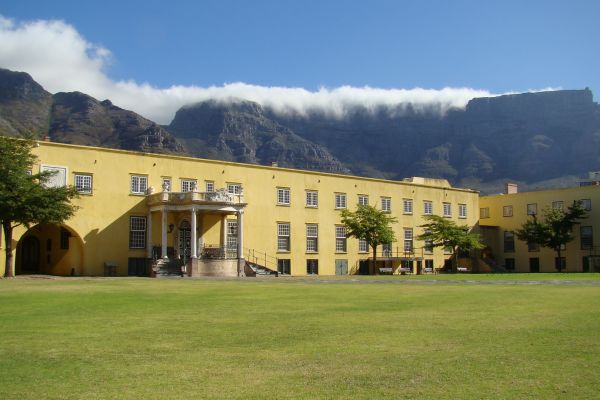 Views of the mountain
 -
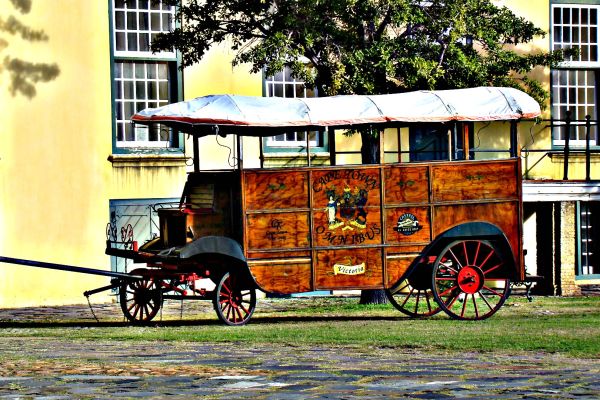 Castle of Good Hope Tour
The castle was built between 1666 and 1679 by the Dutch East India Company. It served as a stop-over for ships sailing the Spice Route. The castle forms a pentagonal shape, and the five bastions of the star are the Leerdam to the west, and clockwise from it the Buuren, Katzenellenbogen, Nassau and Oranje. The original fortress was geared with cells which were used during the Second Boer War from 1899-1902, when part of the castle was also used as a prison. Apart from the military function, it has also had luxurious living quarters, shops, workshops and even a small church and bakery. The Castle of Good Hope was declared a national monument in 1936 and is considered the oldest colonial building in South Africa.


36 Auckland Street, Paarden Eiland, Cape Town, 7420